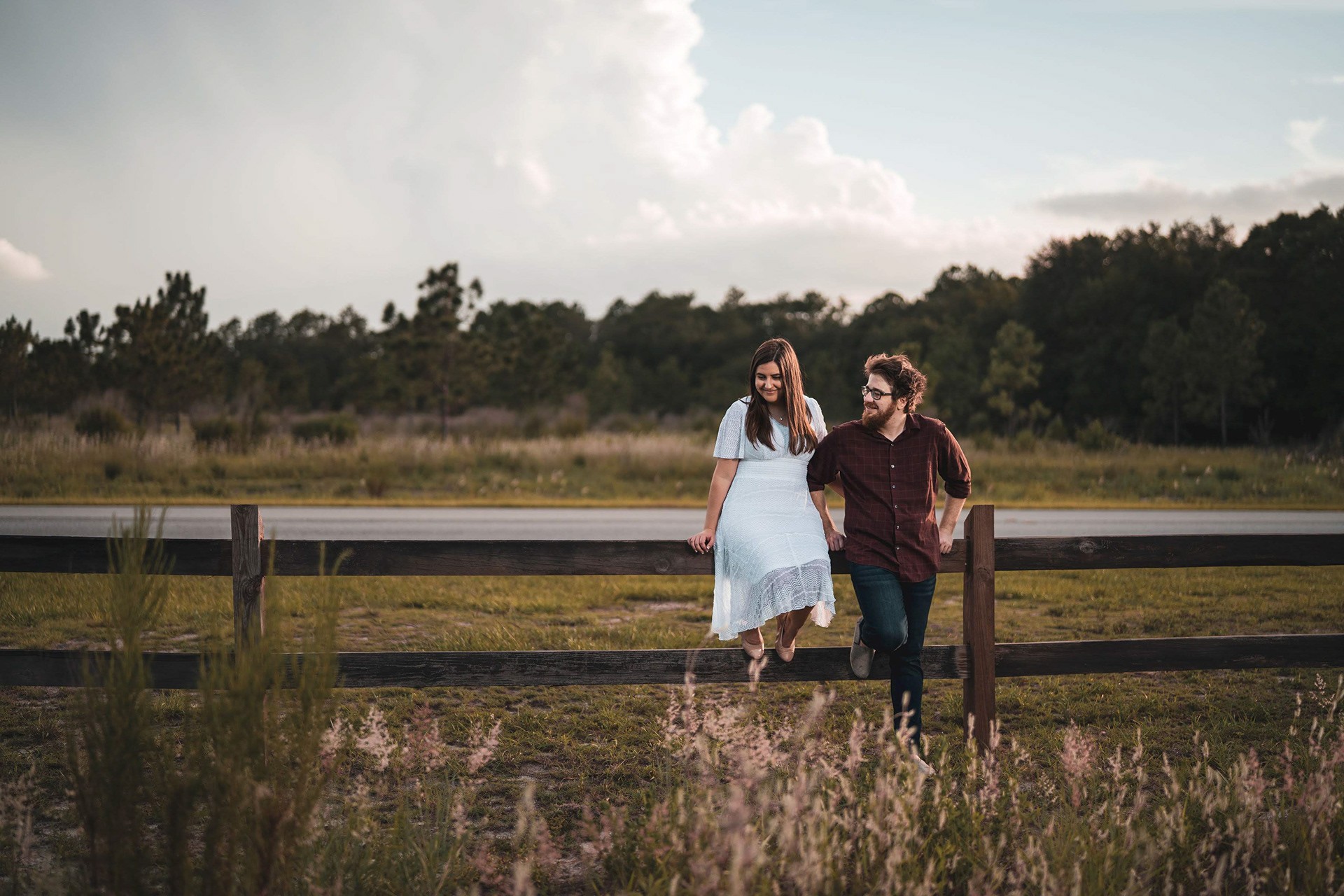
People ask me about my lighting setup more than almost anything else I carry. It makes sense. A great lens matters, but light is what actually makes or breaks a portrait, and most of my work happens somewhere that doesn't have great light built in: a conference room, a backyard at golden hour that's already fading, a ballroom with terrible overhead fixtures, a studio corner that needs to look like somewhere else entirely.
I switched to Godox a while back after getting tired of babying more fragile, more expensive gear, and I haven't looked back. Here's exactly what's in the bag.
The quick list
Short on time? Here's everything, with details on each below.
- Godox AD300 Pro (I run two): portable, powerful, my main off-camera light
- Godox AD200 Pro (I run two): smaller, lighter, and the one that lives in my bag at every event
- Godox AK-R1 accessory kit (with the S-R2 adapter): the small modifiers that turn one light into a dozen looks
- Godox S2 bracket: the mount that makes everything else below actually usable
- SmallRig heavy duty light stand: doesn't tip over in a breeze or a crowded venue
- SmallRig flat folding softbox: packs flat, sets up in seconds, actually gets used because of it
Godox AD300 Pro
The AD300 Pro is the light I reach for first. It's portable enough to carry across a parking lot to a location without a second trip, but it still puts out real power when the sun is working against me instead of for me. TTL and HSS both work the way they're supposed to, so I'm not fighting the light to get what I actually want out of a frame.
Running two of these means I'm almost never working with a single flat light. One as the main source, one for fill or a rim light on hair and shoulders, and the whole portrait suddenly has depth instead of looking like it was lit with whatever happened to be nearby.
Worth knowing: Godox has since released the AD300 Pro II. I haven't used it myself, so I can't vouch for it firsthand, but if you're buying new today it's worth a look alongside the original.
See it on Amazon →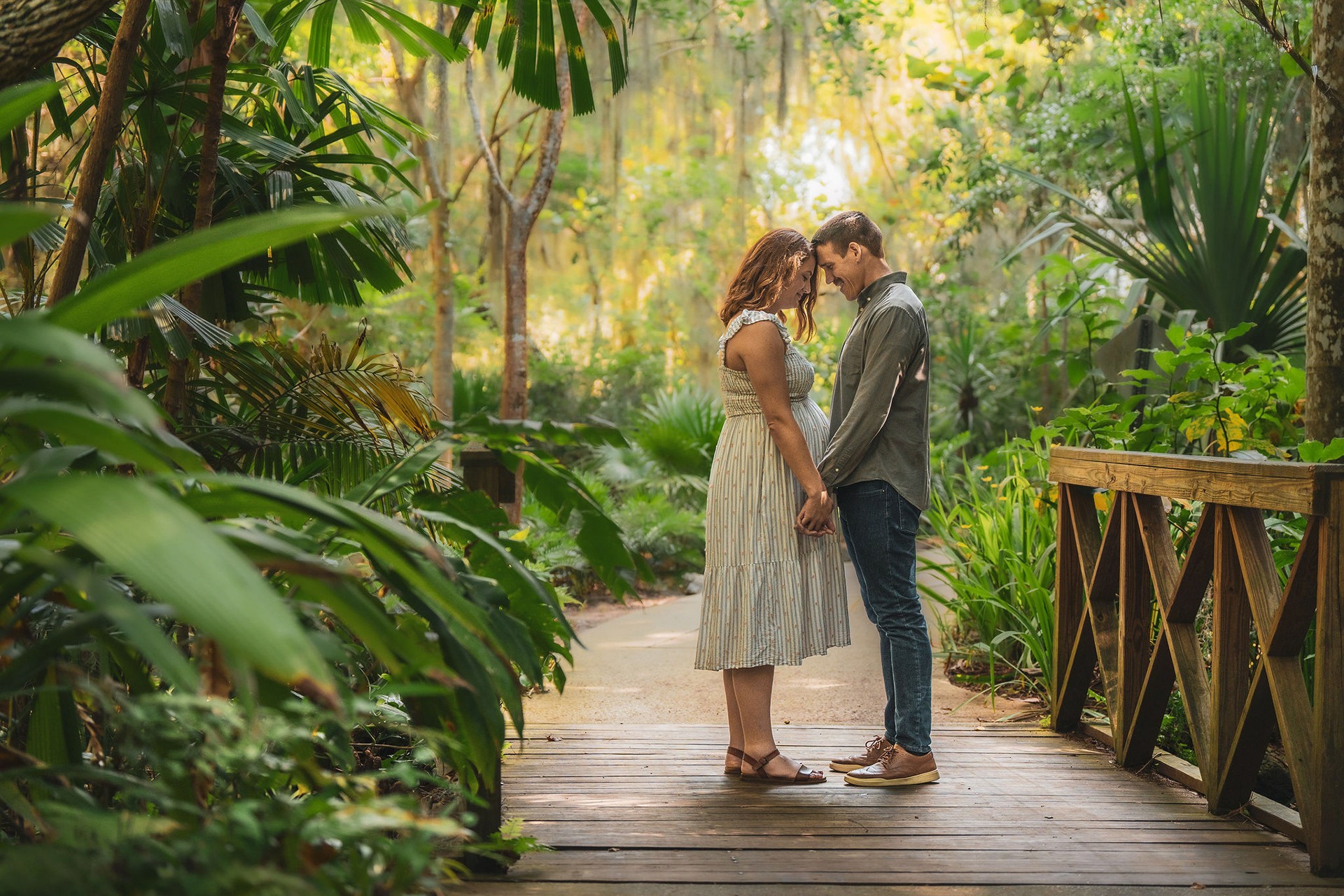
Godox AD200 Pro
If the AD300 Pro is my main light, the AD200 Pro is the one that goes everywhere, especially at events. It's smaller, it's lighter, and the pocket flash head swaps on in seconds if I need a more traditional speedlite throw instead of the bare bulb. At a corporate event or a wedding reception, I don't always have room to set up a full stand-and-softbox rig between courses or during a quick award presentation. The AD200 Pro handles that without slowing anything down.
Having two again means backup that isn't really "backup." It's two active lights working together, or one running while the other charges between bursts of fast shooting.
See it on Amazon →Godox AK-R1 Accessory Kit
This little kit of mini modifiers, gels, and a snoot does not look like much sitting in the bag, but it's what turns a single flash into a creative lighting tool instead of just a bright light pointed at someone. Gels for color on a background, a honeycomb grid to control spill, a barn door to shape where the light actually falls. For studio portraits especially, this is where a setup starts to look intentional instead of just lit.
One important detail: get the version of this kit bundled with the S-R2 adapter. The AK-R1's modifiers are built for round, magnetic flash heads, and most lights don't have one built in. The S-R2 adapter is what lets you actually mount these modifiers on flashes like the AD200 Pro or a V860 series speedlite, so without it, the kit has nothing to attach to.
See it on Amazon →Godox S2 Bracket
I'll say this plainly: if you're shooting round-head Godox lights like the AD200 Pro with a softbox or umbrella, an S2 bracket isn't optional. It's the piece that lets you actually mount a Bowens-mount modifier onto the light while still being able to use the flash's controls and swap heads. I keep one on hand for every light I might soften on a shoot, because without it, half the modifiers below don't attach to anything.
See it on Amazon →SmallRig Heavy Duty Light Stand
A light stand is not an exciting purchase, until the cheap one you bought tips over in a gust of wind at an outdoor ceremony with a few hundred people watching. SmallRig's heavy duty stands are built solidly enough that I don't think about them once they're up. At weddings and outdoor sessions where I don't control the wind or the ground, that peace of mind is worth every extra ounce I'm carrying.
See it on Amazon →SmallRig Flat Folding Softbox
The best modifier is the one you'll actually bother to set up, and that's where SmallRig's flat folding softbox wins. It collapses down flat for the drive between locations, and it genuinely pops back open and sets up in under 10 seconds instead of the usual wrestling match with umbrella-style softbox struts. It's one of those pieces of gear that's honestly mind-blowing the first time you use it. On a headshot day where I'm resetting lighting between a dozen different people, or moving a setup across a venue mid-event, that speed is the difference between getting the shot and missing it while people wait around.
See it on Amazon →Where this kit actually earns its keep
None of this gear matters in the abstract. What matters is whether it holds up across the kinds of shoots I actually book. Here's how it plays out by job type.
On-location portraits
One AD300 Pro as the main light, an AD200 Pro for fill or rim, both on SmallRig stands that won't tip on grass or gravel. Fast enough to set up and break down twice in one session without eating into shooting time.
Studio work
Gels, grids, and the folding softbox let me build a completely different look for the next client without buying new gear for every style. The S2 bracket is what makes swapping between all of them fast enough to actually do between setups.
Weddings
Heavy duty stands for the ceremony and reception where wind and crowds are both working against a flimsy setup, and the AD200 Pro for fast, mobile lighting on the dance floor and during toasts.
Corporate events
Rooms with bad fluorescent lighting and no time to fuss. The AD200 Pro's size means I can light a step-and-repeat or a speaker on stage without the gear itself becoming a distraction in the room.
Headshots
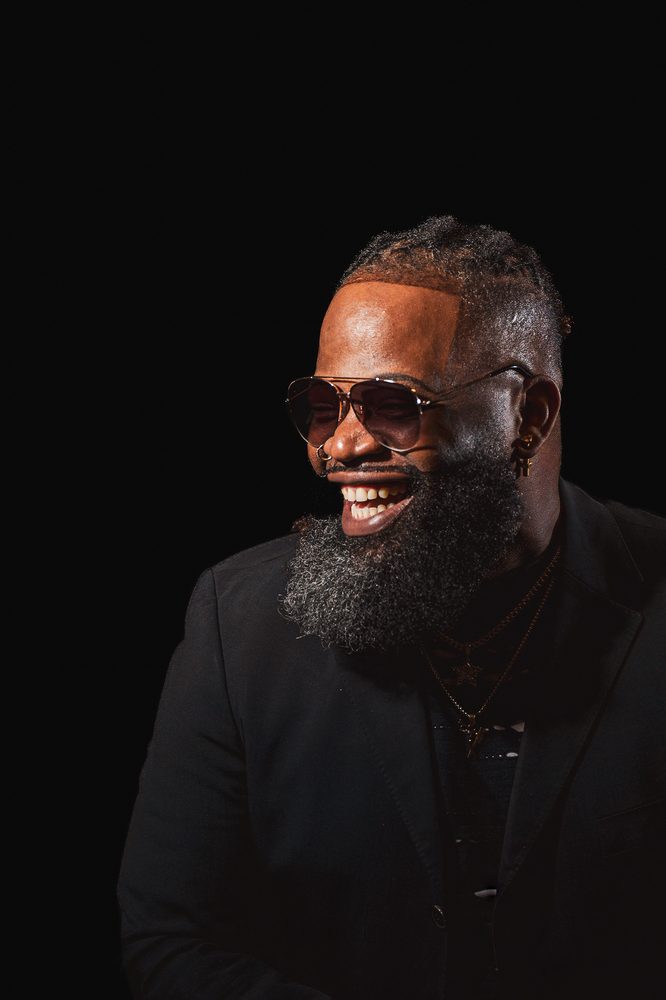
Consistency matters more than anything else here. The same AD300 Pro and softbox setup, dialed in once, gives every person in a team session the same clean, flattering light.
One thing that doesn't show up neatly in a single box above: the AK-R1 kit, bundled with the S-R2 adapter, rides along with the AD200 Pro on every single one of these jobs, not just studio work. It's a small kit, but it comes packed with a dome diffuser, a snoot, barndoors, and a gel holder, so one little pouch covers modifiers I'd otherwise have to buy separately. The dome diffuser alone earns its keep: it wraps and softens light the same way the pricier magnetic diffuser domes everyone's obsessed with do, at a fraction of the cost.
If you're just starting out and don't need all six pieces yet, check out the one light I'd buy first on a budget: it's the AD200 Pro, S2 bracket, and AK-R1 kit from this list, and it covers more ground than you'd expect.
Prices on Amazon change often, so click through to see today's price on any of these.
Want to see this gear in action, or put it to work?
If you're a client curious what shows up with me on shoot day, this is it. And if you're a lead photographer in Central Florida who needs backup for a wedding or event, I bring this exact kit with me.
Book a Session →